Studying in Seoul vs Busan: Which City Fits You?
Studying in Seoul vs Busan: Which City Fits You?
Choosing South Korea for your study abroad journey is an exciting decision. As you research programs, you will inevitably face a major choice: should you live in Seoul, the ultra-modern, hyper-connected capital, or Busan, the dynamic, laid-back coastal metropolis? Both cities offer world-class education, safe environments, and rich cultural experiences, but they deliver vastly different student lifestyles. This KR Campus guide compares Seoul and Busan across academics, costs, climate, and daily life to help you choose your perfect home.
1. Academic Landscapes: Universities and Majors
Seoul is the undisputed educational heart of South Korea. It hosts the country's legendary "SKY" universities (Seoul National University, Korea University, and Yonsei University) alongside dozens of globally ranked institutions. If you seek highly competitive environments, prestigious global networks, and a massive selection of English-medium programs, Seoul is the standard choice. Student areas like Hongdae and Sinchon are vibrant hubs packed with youth culture.
Busan, South Korea’s second-largest city, offers a different but compelling academic environment. It is home to top-tier national institutions like Pusan National University (PNU) and specialized schools like Korea Maritime & Ocean University. Busan is highly respected for engineering, marine sciences, logistics, and tourism. The academic vibe here is highly collaborative, with tight-knit campus communities.
| Academic Aspect | Seoul Universities | Busan Universities |
|---|---|---|
| Top Institutions | SNU, Yonsei, Korea Univ, Hanyang | Pusan National Univ, PKNU, Dong-A |
| Global Rank Focus | Dominated by top 100 global rankings | Highly respected regional flagships |
| Primary Strengths | Business, Tech, K-Culture, Politics | Marine Sciences, Logistics, Tourism |
| English Offerings | Abundant across most majors | Growing; strong in engineering |
2. Cost of Living and Tuition: Budgeting Your Journey
While South Korea is generally more affordable than Western destinations, your budget will stretch much further in Busan than in Seoul.
- Accommodation: Seoul's housing market is expensive. A typical student studio (one-room) or a private goshiwon in popular university areas like Mapo or Seodaemun ranges from 550,000 to 900,000 KRW per month, with high deposits (bojeunggeum). In Busan, similar housing costs between 350,000 and 550,000 KRW, often with much lower deposits.
- Daily Expenses: Dining out, groceries, and local entertainment are roughly 15% to 25% cheaper in Busan. While public transportation costs are regulated nationally and remain similar, you will likely spend less on long commutes in Busan's more localized university districts.
| Monthly Expense Category | Seoul Average (KRW) | Busan Average (KRW) |
|---|---|---|
| Off-Campus Rent (One-room) | 600,000 - 900,000 | 350,000 - 550,000 |
| Food & Groceries | 450,000 - 650,000 | 350,000 - 500,000 |
| Public Transport | 90,000 - 130,000 | 80,000 - 110,000 |
| Utilities & Mobile Plan | 120,000 - 180,000 | 100,000 - 140,000 |
| Leisure & Personal Care | 250,000 - 450,000 | 200,000 - 350,000 |
| Estimated Monthly Total | 1,510,000 - 2,310,000 | 1,080,000 - 1,650,000 |
3. Climate and Geography: Urban Jungle vs. Coastal Paradise
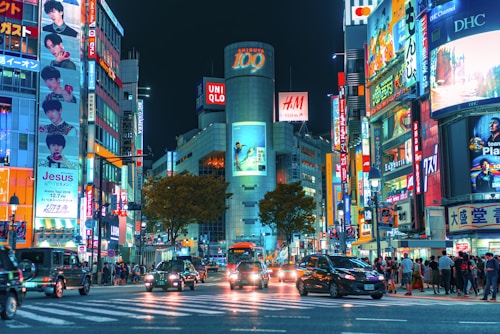
- The Seoul Climate and Vibe: Seoul is an energetic, fast-paced megacity of nearly 10 million people. It is characterized by neon-lit skyscrapers, massive royal palaces, and round-the-clock convenience. Its continental climate features four highly distinct seasons: freezing, snowy winters (often dropping to -10°C) and hot, humid summers with heavy monsoon rains.
- The Busan Climate and Vibe: Busan is a coastal metropolis of 3.4 million people. It seamlessly blends urban convenience with natural beauty, featuring famous beaches like Haeundae and Gwangalli, rugged mountains, and scenic cliffs. Due to its southern coastal location, Busan enjoys a much milder climate. Winters are gentle, with temperatures rarely falling below freezing, and ocean breezes keep summers slightly more comfortable than in landlocked Seoul.
4. Visas, Timelines, and Part-Time Work Essentials
Navigating administrative requirements is crucial for a smooth transition to South Korea.
- Student Visas: Degree-seeking students require a D-2 Visa, while language school students require a D-4-1 Visa. Both require an official Certificate of Admission (CoA) from your university, proof of finances (usually $10,000–$20,000 USD depending on the program), and a clean health report.
- Application Timelines: Academic semesters in South Korea begin in March (Spring) and September (Fall). You must submit your university applications 5 to 6 months in advance. Once accepted, visa processing at your local Korean embassy can take 2 to 6 weeks.
- Part-Time Work Rules: International students can work part-time (typically up to 20 hours per week during semesters, and unlimited hours during vacations) after completing one semester (6 months). Your permitted working hours depend heavily on your TOPIK (Test of Proficiency in Korean) score. Seoul offers extensive corporate internships, while Busan features opportunities in tourism, local cafes, and maritime trade.
5. Culture, Language, and Daily Integration
- Language & Accent: In Seoul, you will learn the standard Korean dialect (Gyeonggi). In Busan, you will be immersed in Satoori (the regional dialect). Busan Satoori is expressive, rhythmic, and highly distinct. While it might take a little extra time to understand, mastering a few local phrases will immediately endear you to the friendly residents of Busan.
- Social Scene & Food: Seoul boasts a massive, diverse international student community, making it easy to find comforts from home. It is a playground of global cuisines, massive concerts, and trendy shopping districts. Busan’s expat community is smaller but exceptionally welcoming and close-knit. Busan's food scene focuses on fresh seafood, famous pork rice soup (Dwaeji Gukbap), and street food markets.
Conclusion: Which Korean City Fits Your Path?
To make your final decision, evaluate what you value most for your study abroad experience:
- Go to Seoul if: You want to study at top-ranked global universities, prefer high-energy urban environments, seek corporate networking opportunities, and enjoy cold winters and big-city life.
- Go to Busan if: You want to balance your studies with outdoor adventures, prefer a milder climate, want your budget to go further, and wish to experience a warm, coastal culture with a unique regional identity.
Editorial note & sources
This guide is compiled from public and official information for international students. Visas, fees, and rules change — confirm details on official sites before you apply. Contact us if you spot an error.
Related study abroad guides
Was this page helpful?
Your feedback helps us improve our guides
Related Schools
 Language School
Seoul National University of Science and Technology Korean Language Center
 University
Sungshin Women's University
 University
Seoul National University of Science and Technology
 University



![[2026] Eat Well for Under $11/Day: Korean Food for Students | KR Campus](https://images.unsplash.com/photo-1473496169904-658ba7c44d8a?w=500)