Part-time work rules for international students

Part-Time Work Rules for International Students in Korea
If you're in Korea on a D-2 (degree-seeking) or D-4 (language/non-degree) visa, part-time work is legal only with proper permission from immigration. Skipping this is a common, costly mistake that can lead to visa cancellation or deportation. Here's what's allowed, how to apply, and how D-2 and D-4 differ.
Why You Can't Just "Get a Part-Time Job"
D-2 and D-4 holders need Permission for Activities Outside Status of Sojourn (체류자격외활동허가) before starting any paid work, even a few hours a week. It's issued by the Korea Immigration Service (KIS), often applied for via HiKorea through your university's international office. Working without it, or beyond approved hours, violates the Immigration Control Act and can bring fines, forced departure, or a re-entry ban.
Rules differ between D-2 and D-4 because immigration treats degree students and language-track students as different risk categories — D-4 students face tighter restrictions since language programs aren't degree-bound and have seen higher rates of visa misuse for labor.
D-2 vs. D-4: Weekly Hour Limits
| Visa Type | Program Level | Weekdays (hrs/week) | Weekends/Holidays | TOPIK Requirement |
|---|---|---|---|---|
| D-2 (Bachelor's) | 1st–2nd semester | Not eligible | Not eligible | N/A |
| D-2 (Bachelor's) | 3rd semester+, GPA ≥ 2.0 | Up to 25 hrs/week | Unlimited | TOPIK 2+ recommended |
| D-2 (Master's) | Graduate coursework | Up to 30 hrs/week | Unlimited | TOPIK 3+ recommended |
| D-2 (PhD) | Doctoral coursework | Up to 30–35 hrs/week | Unlimited | TOPIK 3+ recommended |
| D-4 (Language program) | Levels 1–2 | Not eligible | Not eligible | N/A |
| D-4 (Language program) | Levels 3–4 | Up to 20 hrs/week | Unlimited | TOPIK 3+ |
| D-4 (Language program) | Levels 5–6 | Up to 25 hrs/week | Unlimited | TOPIK 4+ |
Caps are adjusted periodically by the Ministry of Justice and may vary by region. Always confirm current limits with your school's international office.
New D-2 students in their first two semesters and D-4 students in Levels 1–2 cannot work at all, so they prioritize academic and language adjustment first.
The Permission Process, Step by Step
- Enroll and attend classes for the required period. D-2 students typically need one to two completed semesters; D-4 students need TOPIK Level 3 or equivalent coursework.
- Get a letter of recommendation from your university, confirming academic standing and attendance (below 90% often disqualifies you).
- Secure a job offer first. Immigration requires the employer, job type, and hours in your application — there's no "blanket" permit for job-hunting.
- Submit via HiKorea or your local immigration office, with your ARC, passport, enrollment certificate, transcript, and the employer's business registration copy.
- Wait for approval before starting work. Processing takes about 3–7 business days, up to two weeks during peak periods (March, September).
- Carry proof of permission at work — some employers or inspectors check the approval sticker/document in your passport or ARC.
Where Students Can Legally Work (and Where They Can't)
Not all jobs are open to student visa holders, regardless of hours. Korea restricts certain industries to protect labor markets and prevent visa abuse.
| Allowed Work | Restricted / Prohibited Work |
|---|---|
| Convenience stores, cafés, restaurants (non-owner) | Entertainment establishments (bars, clubs, adult venues) |
| Tutoring in your certified major field (with extra approval) | General private tutoring without certification |
| Translation/interpretation gigs | Manufacturing/factory labor (generally restricted) |
| Campus jobs (library, admin assistant, TA roles) | Massage parlors, gambling establishments |
| Retail and delivery (some apps require extra checks) | Jobs requiring a separate E-series work visa |
Private tutoring is a frequent gray area: D-2/D-4 holders generally can't tutor privately the way E-2 visa holders sometimes can, unless specifically authorized. Check with immigration or your school before accepting these gigs.
Costs, Wages, and What to Expect Financially
As of 2026, Korea's minimum wage is about 10,030 KRW/hour (~USD 7.30). At the maximum 25–30 hours/week, a student could earn roughly 1,000,000–1,300,000 KRW/month before tax — meaningful against average Seoul student expenses of 800,000–1,200,000 KRW/month (housing, meals, transit).
Employers must withhold basic taxes and often enroll part-time workers in partial social insurance depending on contract hours. Ask for a written contract (근로계약서) before starting — Korean labor law entitles you to this regardless of visa status. Unpaid wages or contract violations can be reported to the Ministry of Employment and Labor; your visa status doesn't affect your right to file a complaint.
Common Mistakes That Put Your Visa at Risk
- Working before permission is granted, even mid-application. Only approved status counts.
- Exceeding weekly hour caps, even during D-4 vacation (unlike D-2, whose limits may relax during official breaks — confirm with your office).
- Changing employers without updating your permit, since approval is typically tied to a specific workplace.
- Letting GPA or attendance drop below threshold, which can cause denial at your next semester review.
- Working in a prohibited industry, even for one shift — treated the same as unauthorized employment.
Frequently Asked Questions
Can I work part-time in my first semester on a D-2 visa?
No. Most schools and immigration offices require at least one completed semester first, so you settle academically before working.
Does part-time work income affect my visa renewal?
Not directly, but violating work-hour limits or working without permission can — these are checked at your annual ARC/visa extension review.
Can D-4 students work during school vacation without restriction?
Some programs allow slightly relaxed hours during official vacation, but it's not automatic — you still need updated permission reflecting the vacation schedule.
What happens if I'm caught working illegally?
Penalties range from fines and shortened visa validity to deportation and multi-year re-entry bans, depending on severity and repeat status.
Do I need a separate bank account to receive wages?
Not legally required, but most employers ask for a Korean bank account (openable with your ARC) for direct deposit — worth setting up early.
Understanding these rules early helps you budget realistically and avoid immigration trouble. When in doubt, confirm current hour limits and eligible industries with your university's international office or the nearest immigration office, since caps are subject to periodic revision.
Editorial note & sources
This guide is compiled from public and official information for international students. Visas, fees, and rules change — confirm details on official sites before you apply. Contact us if you spot an error.
Related study abroad guides
Was this page helpful?
Your feedback helps us improve our guides
Related Schools
 Language School
Seoul National University of Science and Technology Korean Language Center
 University
Sungshin Women's University
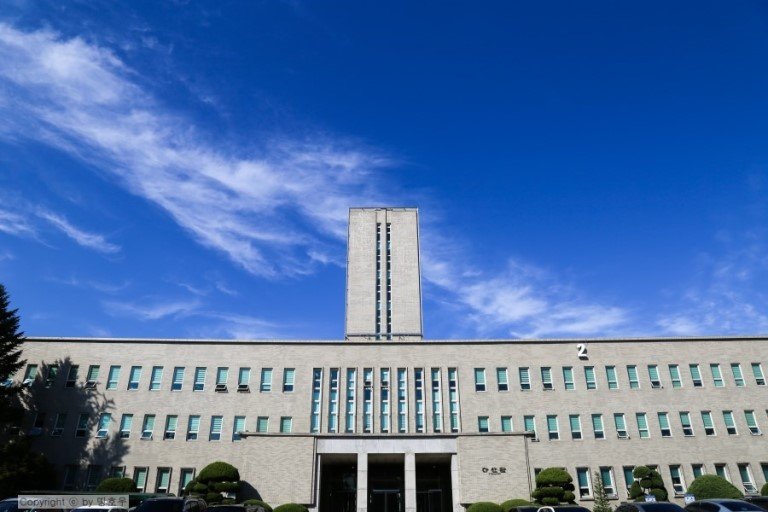 University
Seoul National University of Science and Technology
 University



![[2026] Eat Well for Under $11/Day: Korean Food for Students | KR Campus](https://images.unsplash.com/photo-1473496169904-658ba7c44d8a?w=500)