National vs Private Universities in Korea

National vs Private Universities in Korea: Tuition, Prestige, and Support Tradeoffs
1. Introduction: Deciding Your Academic Path in South Korea
For international students, South Korea is one of the most exciting educational destinations globally. With its blend of advanced technology, rich culture, and globally recognized institutions, the country offers unique academic opportunities. However, as you begin your application journey, you will face a fundamental choice: should you apply to a National University (국립대학교) or a Private University (사립대학교)?
This decision is not merely about the name on your diploma; it impacts your tuition costs, visa requirements, campus environment, and post-graduation career. In this KR Campus guide, we break down the key differences between these two institutional types to help you make an informed choice that aligns with your budget and goals.
2. The Cost Factor: Tuition and Living Expenses
The most immediate difference between Korean national and private universities is the cost of tuition. National universities are funded by the South Korean government. Consequently, their primary mission is to provide affordable, high-quality higher education to domestic and international students alike.
In contrast, private universities rely heavily on tuition fees and private foundations. While they are more expensive, private universities often have larger budgets for state-of-the-art facilities, specialized global programs, and generous institutional scholarships designed specifically to attract talented global students.
Below is a comparison of average undergraduate tuition fees per semester (as of 2024):
| University Type | Tuition per Semester (KRW) | Tuition per Semester (USD) | Additional Costs |
|---|---|---|---|
| National Universities | 2,000,000 - 3,500,000 | $1,500 - $2,600 | Low-cost dormitories, affordable cafeterias |
| Private Universities | 4,000,000 - 8,000,000 | $3,000 - $6,000 | Higher housing fees, premium facilities |
Note that STEM, Medicine, and Arts programs generally sit at the higher end of these ranges, while Humanities and Social Sciences are more affordable.
3. Prestige, Rankings, and the "In-Seoul" Phenomenon
In South Korea, university prestige is highly emphasized. When discussing reputation, the famous "SKY" acronym invariably arises: Seoul National University (SNU), Korea University (KU), and Yonsei University (Yonsei). Notably, SNU is a national university, while Korea and Yonsei are elite private institutions.
This division highlights an important structural reality:
* The "In-Seoul" Private Elite: Most highly coveted private universities are located in Seoul (e.g., Sungkyunkwan, Hanyang, Sogang, Ewha). They offer great networking opportunities and direct access to corporate headquarters.
* Regional National Flagships: Outside Seoul, regional national universities (such as Pusan National University or Kyungpook National University) hold massive regional prestige. In their respective provinces, they are often preferred by local employers over mid-tier private universities in Seoul.
If your goal is to work for a major Korean conglomerate (Chaebol) like Samsung or Hyundai, graduating from either a top-tier "In-Seoul" private university or a flagship regional national university will give you a competitive edge.
4. International Support, Scholarships, and Visa Realities
When relocating to South Korea on a D-2 student visa, navigating administrative hurdles can be challenging. Both university types offer international student support offices, but their operational styles differ.
Private universities often have larger budgets dedicated to internationalization. They tend to offer more English-taught programs and comprehensive global support teams. Additionally, they frequently provide merit-based tuition waivers (ranging from 30% to 100%) directly to international applicants based on TOPIK (Test of Proficiency in Korean) scores or English standardized test results.
National universities might offer fewer English-taught paths at the undergraduate level, but they are highly active participants in government-sponsored programs like the Global Korea Scholarship (GKS). Furthermore, because their base tuition is already low, even a partial scholarship makes them incredibly affordable.
Regarding your D-2 Student Visa application, the Korean Ministry of Justice requires proof of financial stability:
| Parameter | National Universities | Private Universities |
|---|---|---|
| Financial Proof (D-2) | Approx. $16,000 - $18,000 USD | Approx. $20,000 USD (Seoul standard) |
| English-Taught Degrees | Moderate (mostly graduate level) | High (broad undergraduate range) |
| TOPIK Scholarships | Structured, modest discounts | Highly aggressive (up to 100% off) |
| Support Staff Ratio | Fewer English coordinators | Dedicated global centers |
5. Campus Life, Housing, and Cultural Integration
Your daily life will differ significantly depending on the type and location of your university.
* National Universities: Often boast massive campuses with low-cost dormitory systems. Since many are regional flagships, they provide deep immersion into local Korean culture, away from the English-centric bubbles of central Seoul. Living costs (food, rent, transport) in regional cities like Busan or Daegu are roughly 30% cheaper than in Seoul.
* Private Universities: Especially those in Seoul, offer highly vibrant social environments. They are famous for their annual campus festivals (such as Yonsei’s "Akaraka" or Korea University’s "Ipselenti"), which feature top K-pop artists. Off-campus housing in Seoul can be expensive, but you will be in the heart of the youth culture.
6. How to Choose: Your KR Campus Decision Matrix
To finalize your choice, evaluate your priorities using this simple decision checklist:
- Choose a National University if:
- Your primary concern is minimizing tuition and overall living costs.
- You plan to apply for the Global Korea Scholarship (GKS).
- You prefer a more immersive Korean language environment.
-
You want to live in a dynamic regional city with lower expenses.
-
Choose a Private University if:
- You want to study completely in English (especially at the undergraduate level).
- You are determined to live in Seoul and experience the fast-paced capital life.
- You have strong academic credentials that could qualify you for a 100% private university scholarship.
- You value modern campus facilities and highly responsive international offices.
Both paths offer incredible gateways to building a successful global career in South Korea. Assess your budget, identify your language comfort level, and start preparing your documents early!
Editorial note & sources
This guide is compiled from public and official information for international students. Visas, fees, and rules change — confirm details on official sites before you apply. Contact us if you spot an error.
Related study abroad guides
Was this page helpful?
Your feedback helps us improve our guides
Related Schools
 Language School
Seoul National University of Science and Technology Korean Language Center
 University
Sungshin Women's University
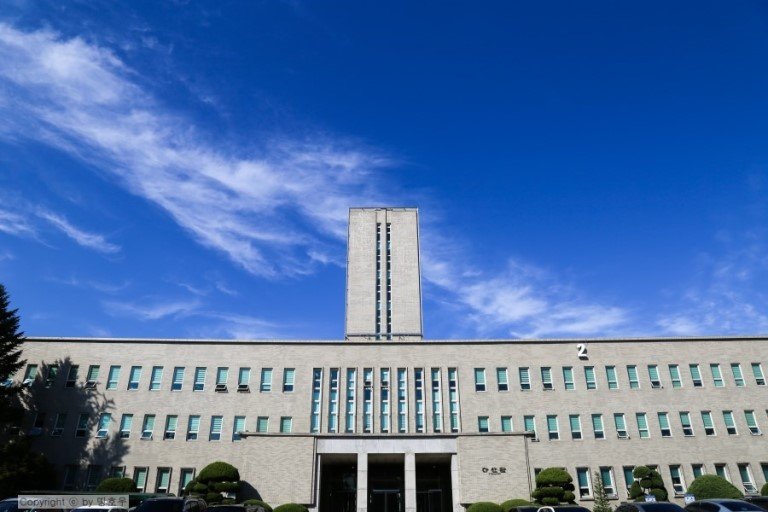 University
Seoul National University of Science and Technology
 University
Hansung University
Related Guides
 Visa
Visa
D-4 to D-2 Visa Change in Korea (2026): Avoid Costly Mistakes
 Selection
Korea's Top Engineering Universities 2026: Full Rankings Guide
![[2026] Eat Well for Under $11/Day: Korean Food for Students | KR Campus](https://images.unsplash.com/photo-1473496169904-658ba7c44d8a?w=500) Life
Life
[2026] Eat Well for Under $11/Day: Korean Food for Students | KR Campus
 Settlement