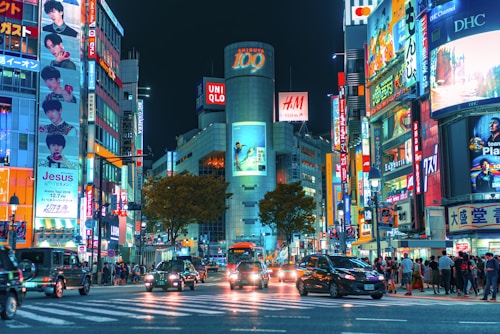
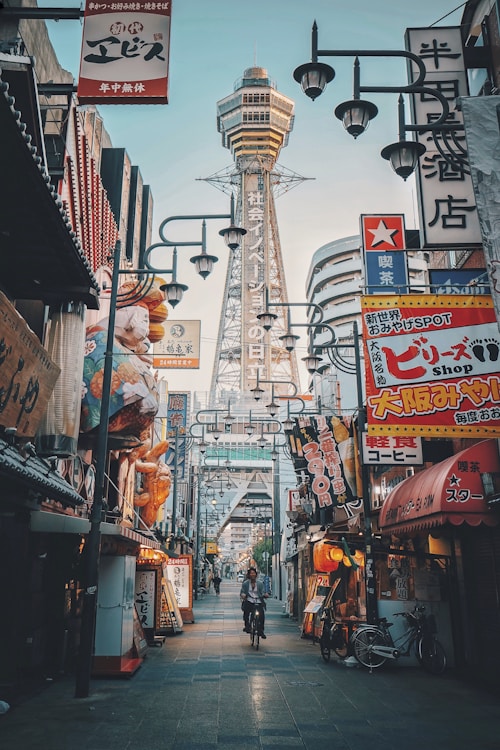
Monthly Student Budget in Seoul (2026)
Monthly Student Budget in Seoul (2026)
Studying abroad in South Korea is an incredible adventure. As the country's cultural, academic, and economic heart, Seoul offers an unparalleled blend of historic charm and futuristic living. However, preparing for this journey requires a realistic understanding of your finances. With the global economic shifts leading into 2026, managing your monthly budget is more important than ever for international students.
Whether you are arriving on a D-2 student visa for a degree program or a D-4 visa for language training, South Korean immigration requires proof of financial stability. For 2026, students must demonstrate sufficient funds (typically between 10,000,000 KRW and 20,000,000 KRW depending on your school’s location) to cover tuition and living expenses. This guide breaks down the actual costs of living in Seoul as an international student, highlighting how you can thrive whether you are on a strict shoestring budget or looking for a more comfortable lifestyle.
Accommodation Options: Finding Your Home in Seoul
Housing will inevitably be your largest monthly expense. In Seoul, the student housing market is diverse but highly competitive. The most common options include university dormitories (gisuksa), goshiwons (mini single rooms), and studio apartments (one-rooms).
Understanding the Korean rental system is crucial. Studio apartments require a significant security deposit (bojeunggeum or key money). While fully refunded at lease end, it requires large upfront capital. If you lack these funds, dorms and goshiwons are excellent low-deposit alternatives.
| Accommodation Type | Average Deposit (KRW) | Monthly Rent (KRW) | Key Utilities Included? | Best For |
|---|---|---|---|---|
| University Dorm | 100,000 – 500,000 | 250,000 – 550,000 | Yes (Water, Gas, Wi-Fi) | Socializing, convenience |
| Goshiwon / Goshitel | None – 100,000 | 350,000 – 600,000 | Yes (Free rice/kimchi) | Ultimate budget savers |
| One-Room (Studio) | 3,000,000 – 10,000,000 | 500,000 – 850,000 | No (Pay gas, electricity) | Privacy, long-term stay |
| Share House | 500,000 – 2,000,000 | 400,000 – 650,000 | Mostly divided | Communal living |
For a one-room, budget an additional 50,000 to 120,000 KRW for utilities (gas, electricity, water), which spike in winter due to underfloor heating (ondol).
Daily Essentials: Food, Transportation, and Connectivity
Living in Seoul means enjoying some of the best food and infrastructure in the world, but daily small purchases can add up quickly.
Dining and Groceries
Eating out in Seoul ranges from budget-friendly to premium. The cheapest meal option is the university cafeteria (haksik), serving nutritious meals for 4,500 to 7,000 KRW. Local diners (bunsikjib) offer dishes like gimbap, tteokbokki, and kimchi stew for 6,000 to 9,000 KRW. If you prefer cafes and Western dining, expect to pay 12,000 to 20,000 KRW per meal. Groceries in South Korea can be expensive, especially fresh fruits and vegetables. Shopping at traditional local markets (sijang) rather than large supermarkets like E-Mart will save you money.
Public Transportation
Seoul’s public transit is incredibly efficient. Most students use a reloadable T-Money card or the city's unified "Climate Card" (Giho-donghaeng Card), which offers unlimited rides on Seoul's subways and buses for a fixed monthly rate of approximately 62,000 to 65,000 KRW.
Mobile Data and Internet
To stay connected, budget MVNO (Mobile Virtual Network Operator) SIM cards (often called budget phones or alt뜰폰) are highly recommended. Companies like Chingu Mobile or Woori Mobile offer unlimited data plans for 20,000 to 35,000 KRW per month, compared to the 60,000+ KRW charged by major telecom giants.
Frugal vs. Comfortable: Monthly Budget Breakdowns
To help you visualize your monthly expenses, let us compare two different lifestyles. The Frugal Saver minimizes dining out and lives in a goshiwon or university dorm. The Comfortable Explorer enjoys privacy in a private studio apartment, dines out regularly, and enjoys weekend activities.
| Expense Category | Frugal Saver (KRW) | Comfortable Explorer (KRW) | Frugal (USD equivalent) | Comfortable (USD equivalent) |
|---|---|---|---|---|
| Rent & Utilities | 350,000 | 650,000 | $260 | $480 |
| Food & Groceries | 300,000 | 550,000 | $220 | $410 |
| Transportation | 62,000 | 80,000 | $46 | $60 |
| Mobile Plan | 20,000 | 40,000 | $15 | $30 |
| Health Insurance | 75,000 | 75,000 | $55 | $55 |
| Leisure & Shopping | 100,000 | 300,000 | $74 | $225 |
| Total Monthly Budget | 907,000 KRW | 1,695,000 KRW | ~$670 USD | ~$1,260 USD |
Note: National Health Insurance (NHIS) is mandatory for all international students in South Korea holding D-2 or D-4 visas after a certain period of stay, costing around 75,000 KRW monthly.
Visa Regulations and Part-Time Work (Alba)
Managing a tight budget is much easier if you take advantage of South Korea's student-friendly policies.
International students on D-2 and D-4 visas are legally permitted to work part-time, but you must obtain permission from your university's international office and the immigration office first. Generally, you must hold a certain level of Korean language proficiency (TOPIK) to qualify for standard part-time work hours.
* D-2 Visa Students: Allowed to work up to 20–25 hours per week during semesters (unlimited during vacations), depending on TOPIK level.
* D-4 Visa Students: Eligible to apply for part-time work only after completing 6 months of study.
* Minimum Wage (2026): The projected minimum wage in South Korea for 2026 is approximately 10,200 KRW per hour. Working just 15 hours a week can comfortably cover your food and leisure expenses.
Essential Money-Saving Hacks for Seoul Students
- Daiso is Your Best Friend: For household items, kitchenware, and stationery, Daiso is unbeatable. Most items range from 1,000 to 5,000 KRW.
- Use Carrot Market (Danggeun Market): This hyper-local secondhand app is incredibly popular in Korea. It is the perfect place to buy cheap fans, heaters, desks, or refrigerators from departing students.
- Convenience Store App Deals: Download apps for CU (Pocket CU) or GS25 (Our Neighborhood GS) to access "1+1" or "2+1" promotions on snacks and quick meals.
- Plan Your Financial Timeline: Before flying to Incheon, secure at least 1,500,000 KRW in accessible funds for initial setup costs (bedding, transit cards, ARC medical check).
By planning ahead and understanding these numbers, you can enjoy everything Seoul has to offer without financial stress. Welcome to your next big chapter in South Korea!
Editorial note & sources
This guide is compiled from public and official information for international students. Visas, fees, and rules change — confirm details on official sites before you apply. Contact us if you spot an error.
Related study abroad guides
Was this page helpful?
Your feedback helps us improve our guides
Related Schools
 Language School
Seoul National University of Science and Technology Korean Language Center
 University
Sungshin Women's University
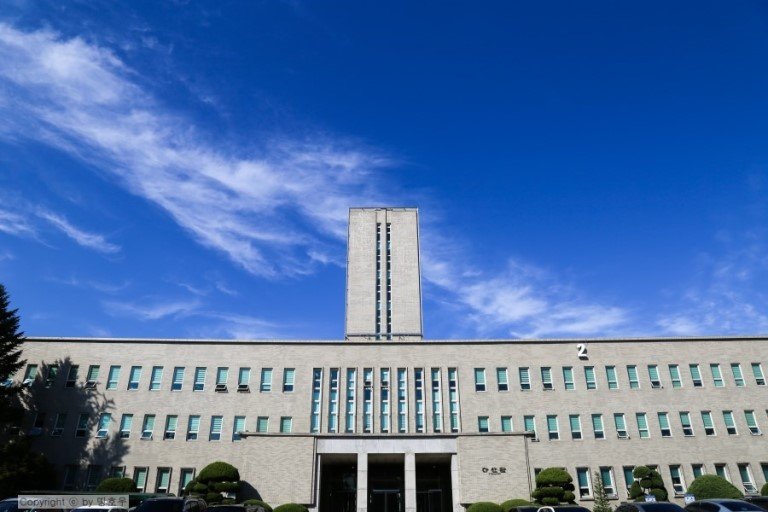 University
Seoul National University of Science and Technology
 University