Japanese-Speaking Part-Time Jobs in Korea

Japanese-Speaking Part-Time Jobs in Korea
If you're a Japanese exchange student or language-program student in Korea, your Japanese is worth more here than you might think. Korea's tourism, e-commerce, and private education sectors are chronically short on native Japanese speakers, and employers routinely pay a premium — sometimes double minimum wage — for bilingual staff. This guide covers where the money actually is, what your visa allows, and how to land these jobs without wasting weeks on dead-end applications.
Why Native Japanese Speakers Get Priority Hiring
Japan remains one of Korea's top inbound tourism markets, with hundreds of thousands of Japanese visitors passing through Myeongdong, Hongdae, Dongdaemun, and Jeju every month. Duty-free shops, cosmetics stores, hotels, and tour agencies need staff who can handle Japanese customers without a translation app. Separately, Korean parents and adult learners pay well for private Japanese lessons, especially with JLPT exam season approaching. Because supply of fluent, legally work-eligible Japanese speakers is limited, you're competing against far fewer people than a student offering only English or Korean skills.
Visa Rules You Must Confirm Before Applying
This is the part students skip and later regret. Your ability to work legally depends entirely on your visa type.
- D-4 (language-training visa): You cannot work at all for the first 6 months in Korea. After that, you may apply for a part-time work permit (시간제 취업허가) through your school and the immigration office, capped at 20–25 hours per week during term, unlimited during vacation periods, and typically requires TOPIK Level 3+ or a recommendation from your language institute.
- D-2 (degree-seeking student visa): Eligible for part-time work permits from day one at many universities, generally capped at 20–25 hours/week in session (unlimited on weekends and official holidays), rising with higher TOPIK levels.
- Working Holiday visa (H-1): If you hold this instead of a student visa, hour restrictions don't apply, but the visa itself has quotas and age limits (usually 18–30).
Always apply for the 시간제 취업허가 (part-time work permit) at your local immigration office or via Hi Korea before accepting any job — working without it risks visa cancellation and future entry bans. Confirm current caps with your school's international office, since limits are adjusted periodically.
Translation and Interpretation: The Highest Hourly Rates
This is where fluent Japanese speakers earn the most per hour, often 20,000–40,000 KRW compared to 10,000–13,000 KRW for standard retail alba. Common entry points:
- Tour interpreter-guides: Agencies like Klook, KKday, and local travel companies hire Japanese-speaking guides for day tours (DMZ, Nami Island, palace tours). Pay is often per-tour (80,000–150,000 KRW/day) rather than hourly.
- Trade fair and exhibition interpreting: COEX and BEXCO regularly need short-term Japanese interpreters during expos — high pay, short contracts, great for building a portfolio.
- Freelance translation platforms: Flitto, Kmong (크몽), and Soomgo (숨고) let you list Japanese↔Korean translation services directly to Korean businesses; document translation (menus, product descriptions, contracts) pays per project.
- Hospital and airport interpretation: Some hospitals catering to medical tourism and Incheon Airport information desks hire part-time Japanese interpreters, especially useful if you're also studying Korean medical or tourism vocabulary.
Private Tutoring: Teaching Japanese to Koreans
Korea has a large market of students preparing for JLPT, travelers wanting conversational Japanese, and companies training staff for Japan-facing business. Tutoring pays well because you're the product, not a middleman fee.
- Rates: 30,000–60,000 KRW/hour for one-on-one lessons in Seoul; group lessons at hagwons (Japanese language academies) pay 20,000–35,000 KRW/hour but offer steadier hours.
- Where to find students: Naver Cafe groups for language exchange, KakaoTalk open chats, university bulletin boards, and Preply or Class101 for online lessons if you want remote flexibility.
- Hagwon part-time roles: Small Japanese-language hagwons near Gangnam, Hongdae, and Sinchon hire part-time native speakers as conversation assistants — check job boards like Albamon (알바몬) and Alba Cheonguk (알바천국) using the search term "일본어".
Hospitality and Retail: Reliable Hours in Tourist Districts
If you want consistent shifts over high hourly pay, hospitality is the safer bet. Employers in these districts explicitly list "일본어 가능자 우대" (Japanese speakers preferred) in job postings.
| District/City | Common Employers | Typical Hourly Pay (KRW) |
|---|---|---|
| Myeongdong, Seoul | Cosmetics shops, duty-free, hotels | 11,000–15,000 |
| Hongdae, Seoul | Cafes, guesthouses, souvenir shops | 10,500–13,000 |
| Dongdaemun, Seoul | Wholesale fashion markets, hotels | 11,000–14,000 |
| Jeju City / Seogwipo | Tour desks, rental car counters, hotels | 11,500–15,000 |
| Busan (Nampo-dong, Haeundae) | Department stores, hotels, cruise terminals | 11,000–14,000 |
Note that Korea's 2025 statutory minimum wage is 10,030 KRW/hour — any Japanese-language listing paying near or below that is undervaluing your skill, and you should negotiate or look elsewhere.
Realistic Monthly Earnings by Job Type
Assuming the standard 20–25 hour weekly cap under a D-2/D-4 work permit:
| Job Type | Hours/Week | Est. Monthly Income (KRW) | Notes |
|---|---|---|---|
| Retail/hospitality (Myeongdong) | 20 | ~960,000–1,200,000 | Steady, low negotiation needed |
| Private Japanese tutoring | 10–15 | ~1,200,000–2,000,000 | Fewer hours, higher pay, requires client-finding |
| Hagwon conversation assistant | 15–20 | ~1,000,000–1,500,000 | Fixed schedule, resume-friendly |
| Tour guide/interpreter (per-tour) | Variable | ~1,500,000–2,500,000 | Highest ceiling, inconsistent volume |
| Freelance translation | Variable | ~500,000–1,500,000 | Good supplement, builds portfolio |
Where to Search and How to Apply
Start with Korean-language platforms rather than English ones — Japanese-language job listings rarely get cross-posted internationally.
- Albamon (albamon.com) and Alba Cheonguk (alba.a-ba.co.kr): search "일본어" or "일본어 가능자" for filtered results.
- Job Korea / Saramin: better for longer-term hagwon or office-based bilingual roles.
- Naver Cafe communities: search "도쿄유학생" or "한국유학 일본인" groups where Japanese students share verified job leads.
- University career centers: many Seoul universities (Yonsei, Korea University, Ewha, Sogang) post part-time openings specifically seeking exchange students with Japanese fluency.
- Direct outreach: walk into duty-free shops or hotels in Myeongdong with a simple Korean/Japanese resume (이력서) — many hire on the spot for trial shifts.
Frequently Asked Questions
Do I need TOPIK to get these jobs? Not always for retail/hospitality, but tutoring, hagwon, and interpretation roles usually expect at least TOPIK 3, since you'll need to communicate instructions and handle logistics in Korean too.
Can I work multiple part-time jobs at once? Yes, but your total combined hours must stay within your visa's weekly cap — track this carefully, as immigration checks aggregate hours, not just per-employer hours.
Is it better to freelance or work for an employer? Freelance translation and tutoring offer higher pay per hour but unpredictable volume; employer-based hospitality roles offer stability and easier proof of income for visa renewals. Many students do both — a fixed part-time shift plus freelance tutoring on the side.
What if my school doesn't help with the work permit? You can apply directly through Hi Korea (hikorea.go.kr) or your local immigration office, but a letter of enrollment and attendance record from your school is typically required regardless.
Your Japanese fluency is a genuine competitive advantage in Korea's part-time job market — just make sure your visa paperwork is in order before you start earning from it.
Editorial note & sources
This guide is compiled from public and official information for international students. Visas, fees, and rules change — confirm details on official sites before you apply. Contact us if you spot an error.
Related study abroad guides
Was this page helpful?
Your feedback helps us improve our guides
Related Schools
 Language School
Seoul National University of Science and Technology Korean Language Center
 University
Sungshin Women's University
 University
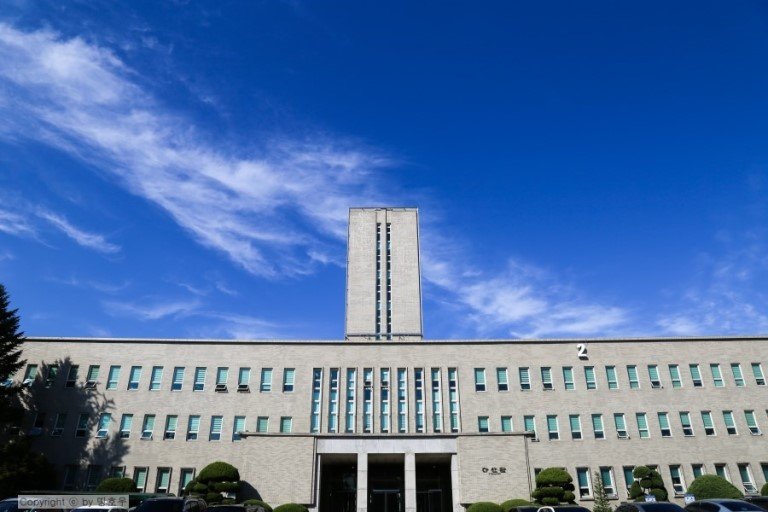
Seoul National University of Science and Technology
 University



![[2026] Eat Well for Under $11/Day: Korean Food for Students | KR Campus](https://images.unsplash.com/photo-1473496169904-658ba7c44d8a?w=500)