Alien Registration Card (ARC) Guide

Alien Registration Card (ARC) Guide: The Ultimate Checklist for International Students in South Korea
Welcome to South Korea! As an international student, one of your absolute first administrative tasks is securing your Residence Card. Formerly and still widely known as the Alien Registration Card (ARC), this card serves as your official identity document while living in the country.
If you stay in Korea for more than 90 days under a student visa—such as a D-2 (Degree Program) or D-4 (Language Program)—obtaining your ARC is legally mandatory. It must be applied for within 90 days of arrival. We highly recommend starting early, as immigration offices get extremely busy at the start of each semester.
1. What is the ARC and Why Do You Need It?
Your ARC is your proof of legal residency in South Korea. It displays your registration number, visa status, domestic address, and period of stay. Without this card, you cannot access essential daily services.
You will need your ARC for:
* Opening a Korean bank account with full mobile banking privileges.
* Signing up for a postpaid mobile plan and passing the identity verification (본인인증) required for local apps.
* Registering for the National Health Insurance Service (NHIS).
* Signing residential lease agreements for off-campus housing.
If you fail to register within your first 90 days, you face heavy fines and potential visa cancellation. Do not delay your application.
2. Booking Your Appointment via HiKorea
To apply for your ARC, you must make an online reservation through the official government portal, HiKorea (hikorea.go.kr). Walk-ins are not accepted.
You must visit the specific immigration office that holds jurisdiction over your residence or university. Going to the incorrect office will result in rejection.
How to Book:
1. Visit the HiKorea website (available in English, Chinese, and Korean).
2. Click on "Reserve Visit" under the Quick Menu.
3. Choose your jurisdictional office based on your address (consult your university if you are unsure).
4. Select a date and time. March and September are peak months; booking 2 weeks before arrival is recommended.
5. Print your reservation confirmation sheet to show at the reception desk.
3. Required Documents Checklist
Preparing your documents correctly is the key to a stress-free appointment. Missing even one form can lead to processing delays. Below is a comparison table outlining the documents required for the two most common student visas.
| Document | D-2 (Degree Student) | D-4 (Language Trainee) | Important Notes |
|---|---|---|---|
| Application Form | Required | Required | Form No. 34, available online or at the office. |
| Passport | Original & Copy | Original & Copy | Must have at least 6 months validity remaining. |
| Color Photo | 1 Photo | 1 Photo | 3.5cm x 4.5cm, taken on a white background. |
| Enrollment Certificate | Required | Required | Issued by your university within the last 30 days. |
| Proof of Residency | Required | Required | Dormitory certificate, lease, or housing confirmation. |
| Application Fee | 30,000 KRW | 30,000 KRW | Cash only at the office kiosk. |
| TB Test Results | Selected Countries | Selected Countries | Required for students from 35 designated nations. |
Notes on Proof of Residency: If you live in a dormitory, request a "Certificate of Residence" (거주확인서) from your housing office. If you rent off-campus, bring a copy of your signed lease agreement. If you stay with a friend, you need their ID copy and a signed "Confirmation of Provided Residence" form.
4. Photo Regulations and Standards
Korean immigration is exceptionally strict regarding photo specifications. If your photo does not meet these guidelines, you will be rejected and asked to use an on-site photo booth, which costs extra and delays your slot.
Make sure your photo complies with these rules:
* Size: Exactly 3.5cm x 4.5cm, taken within the past 6 months.
* Background: Must be plain white. Do not wear a white shirt, as it will blend into the background. Wear dark colors.
* Face: Face must look straight ahead with a neutral expression (no smiling or showing teeth).
* Hair: Hair must not cover your eyebrows, eyes, or ears. Ears should ideally be visible.
* Accessories: No colored cosmetic contact lenses, large jewelry, or hats. Eyeglasses are allowed if they do not reflect light.
5. Fees, Processing Times, and Delivery
Applying for your ARC involves processing fees. It is highly recommended to bring cash (Korean Won) to the immigration office, as card payments are often not accepted at the onsite payment kiosks.
| Service / Item | Cost (KRW) | Delivery Method | Processing Time |
|---|---|---|---|
| In-Person Pick-up | 30,000 KRW | Collect at immigration office. | 3 to 4 Weeks |
| Mailed Delivery (Post) | 33,000 KRW | Sent directly to your address. | 3 to 4 Weeks |
| TB Test (Health Clinic) | 2,000 - 10,000 KRW | In-person collection at clinic. | 3 to 5 Days |
If you choose mail delivery, ensure your name is written clearly on your mailbox. If the mail carrier cannot verify your name, the card will be returned to the immigration office.
6. Re-entry Permits and Maintaining Your Status
Once you receive your physical ARC, it acts as your official multiple-entry permit. Here is how it affects your travel:
- Leaving Before ARC Issuance: If you must leave Korea due to an emergency before your card is printed, visit the immigration office or airport booth to obtain a "Certificate of Alien Registration" (외국인등록사실증명). This document proves your registration is pending.
- Leaving During Semester Breaks: With your ARC, you can freely travel outside of South Korea during school breaks and re-enter without applying for a separate re-entry permit, provided you return before your stay period expires.
- Returning the Card: When you finish your studies and leave South Korea permanently, you must hand over your ARC to the immigration officer at the airport departure gate. Failure to return the card can result in severe fines.
Keep your ARC safe, carry it with you (or save a photo on your phone), and use it to enjoy your student life in South Korea to the fullest!
Editorial note & sources
This guide is compiled from public and official information for international students. Visas, fees, and rules change — confirm details on official sites before you apply. Contact us if you spot an error.
Related study abroad guides
Was this page helpful?
Your feedback helps us improve our guides
Related Schools
 Language School
Seoul National University of Science and Technology Korean Language Center
 University
Sungshin Women's University
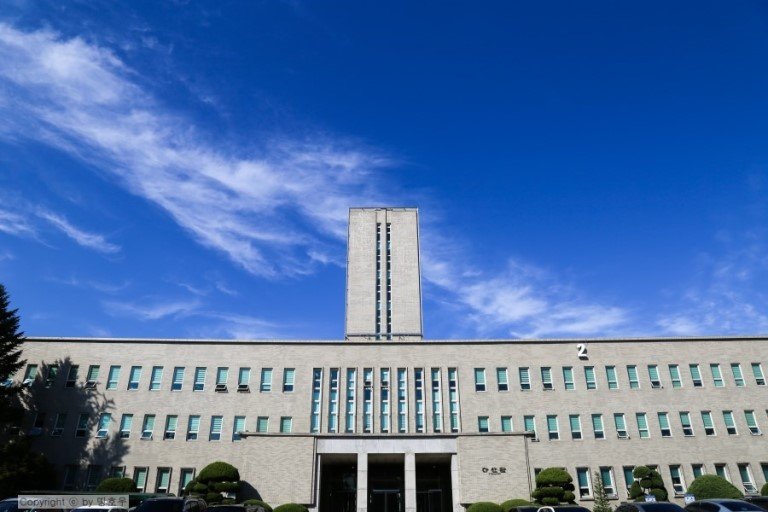 University
Seoul National University of Science and Technology
 University



![[2026] Eat Well for Under $11/Day: Korean Food for Students | KR Campus](https://images.unsplash.com/photo-1473496169904-658ba7c44d8a?w=500)